Hey everyone, let’s cut to the chase—if you’ve ever looked at a trusty old corded vacuum in your garage, ran out of outlets mid-clean, and thought “man, if only this was wireless,” you’re not alone. As a vacuum supplier, I get this question all the time: Is it actually possible to convert a corded vacuum to cordless? The short answer is… kind of, but it’s not as straightforward as just swapping a plug for a battery. Let’s break this down like we’re geeking out over vacs at a trade show snack table, no stuffy jargon, I promise. Vacuum Cleaner

First, let’s talk about why corded vs. cordless even matters for most people. Corded vacs (the kind you plug into a wall, duh) have been around forever because they’re cheap to make, super powerful, and you never have to charge them—just plug in and go. The only downside? That annoying cord that tangles around chair legs, keeps stretching across the living room, and makes you do a weird limbo dance to get under the couch. Cordless vacs solve all that, but they’ve got their own issues: the battery dies after 20-60 minutes, they’re way more expensive, and the power drops off as the battery drains. So converting a corded one seems like the perfect middle ground, right? Well, let’s get into the nitty-gritty of how these two types work, because that’s where the gap is.
Corded vacs run on AC power—alternating current, the stuff that comes out of your wall outlet. The motor, which is the heart of the vac, is designed to handle that constant, high-voltage current (usually 120V in the US, 220-240V in most other places). Cordless vacs, on the other hand, run on DC power—direct current, the kind that comes from batteries (lithium-ion, mostly, these days, since they hold a charge better than old NiCd ones). So the first big problem here is converting AC to DC, but that’s not just slapping a battery on. Let’s think about the motor. A typical corded vacuum motor is a universal motor—wait, that’s the same kind used in power tools, right? Universal motors work on both AC and DC, that’s a key point. But even so, the voltage is totally different. A standard corded motor runs on 120V AC, but a cordless battery is usually 20V, 40V, or maybe even 60V for heavy-duty ones. So you can’t just plug a 120V motor into a 40V battery—you’d fry the motor instantly, or it would barely run.
Okay, so let’s say someone wants to do this as a DIY project. What would that look like, realistically? I’ve seen some random YouTube videos where guys try this, and most of them end up with a vac that either dies after 5 minutes or catches fire. Let’s walk through the DIY steps (and why they’re risky). First, you’d need to gut the cord and the old power cord assembly. Then, you’d have to hook up a lithium-ion battery pack— but not just any battery pack. You’d need a battery that can supply enough current for the motor, not just the right voltage. A typical corded vac motor might draw 10-15 amps when it’s running, so the battery needs to handle that, otherwise it’ll overheat. Then you need a battery management system (BMS)—that’s the thing that keeps lithium-ion batteries from overcharging, over-discharging, or shorting out. Skip the BMS, and you’re looking at a fire hazard, plain and simple. Most DIYers don’t even know what a BMS is, let alone how to pick the right one. Then there’s the weight. Lithium-ion batteries aren’t light, and if you stick a big battery pack on a corded vac that was designed to be plugged into a wall, it’s going to be top-heavy, hard to maneuver, and way more tiring to hold while you clean. I’ve seen one DIY conversion that was so heavy, the user kept dropping it—total waste of time and money.
But wait, is there a professional way to do this? Because as a vac supplier, we’ve thought about this for our clients too—some people love their old corded vac but hate the cord. The short answer is: sort of, but it’s not a simple aftermarket add-on. Here’s why. Original equipment manufacturers (OEMs) design every part of a vac to work together. The motor, the power supply, the battery, even the plastic housing—all sized and tested for weight, power, and durability. If you take a corded vac made for a wall plug, the motor’s optimized for 120V AC, so even if you convert it to DC, the power output is going to be way lower. That means your suction (the whole point of a vacuum) drops a ton. No one wants a cordless vac that’s weaker than their old corded one. Also, the battery life would be terrible—remember how those DIY guys get 5 minutes? That’s because the motor was built for higher voltage, so a lower-voltage battery can’t push enough power for long.
Wait, but hold on—what if we’re talking about a light-duty corded vac, like a stick vac for small apartments? That’s a different story. Some of our clients who live in tiny condos have asked about this, and we’ve actually tested a modified version for them. Let’s say you have a compact corded stick vac with a 24V motor (way lower than a full-size vac). You could swap the AC power assembly for a 24V lithium-ion battery pack with a proper BMS, and maybe upgrade the motor a tiny bit to handle DC better. But even then, it’s not a straight conversion—you have to tweak parts. And the battery would only last 20-30 minutes, which is fine for a small apartment, but not for cleaning a whole house. For our commercial clients, though, who need heavy-duty suction for lobbies or offices, converting a corded vac is basically impossible. The motors are 120V, draw way more current, and need constant power—batteries can’t keep up with that without being the size of a backpack, which is not practical.
Let’s also talk about the hidden costs. If you tried the DIY route, you’d end up spending $100-$200 on a battery pack, BMS, and miscellaneous parts—more than a decent entry-level cordless vac. And it’s not covered by warranty, so if you mess up, you’re out of luck. Professional conversions? We’ve quoted some clients, and it’s around $300-$400, again, more than a new cordless vac. So even if it’s possible, it’s not cost-effective for most people. That’s why when customers email us asking about conversions, we always steer them toward a good cordless vac or just repairing their old corded one (which is way cheaper than converting, by the way).
Wait, but is there a case where converting is worth it? Let’s say you have a high-end corded vac that you love, like a Dyson ancestor or something, and it’s super powerful, but the motor just died. Instead of buying a whole new one, could you convert it? Maybe, but even then, you’re stuck with power issues. The motor might not handle DC well, so you’d have to replace the motor too, which adds even more cost. At that point, you’re basically building a new vac from scratch. Not worth it, in my opinion.
Let’s get real for a second—why do people even want to convert their corded vacs? The cord is annoying, sure, but modern cordless vacs have come a long way. The latest models have 60+ minute battery life, high suction, and even removable batteries so you can swap in a fresh one for bigger jobs. And they’re not that expensive anymore—you can get a good one for $150-$250, which is less than a DIY conversion. So unless you’re super attached to that specific corded vac (like, it was a gift from your grandma or something), converting just doesn’t make sense.
But wait, I don’t want to totally shut down the idea—scientifically, is there a way it could work? Let’s get nerdy for a sec. Universal motors do run on DC, as I mentioned earlier, so that part is possible. The key would be matching the motor’s voltage, current draw, and the battery’s capacity, plus adding a proper BMS and a way to mount the battery without making the vac too heavy. The problem is, most off-the-shelf batteries don’t have the right specs for vac motors—they’re designed for phones or power tools, not high-draw appliances. So if a battery company made a specific battery pack for converting corded vacs, that would change things, but right now, that’s not a thing.
Another angle: what about switching the motor entirely? If you gut the old corded motor and put in a smaller DC motor designed for cordless vacs, then yes, you can make a cordless version. But again, that’s a full rebuild, not a conversion. You’d have to modify the housing to fit the new motor and battery, rewire everything, test for suction, etc. That’s way more work than 99% of people are willing to do. As a supplier, we’ve thought about this for product development, too—maybe offering a conversion kit for light-duty vacs, but we haven’t pulled the trigger yet because the numbers don’t add up. Customers would rather buy a new cordless than mess with a kit, and the liability of people using it wrong is too high for our team.
Let’s also address some common myths I hear from customers. One myth is “I can just cut the cord and plug in a car battery.” No, don’t do that. Car batteries are lead-acid, heavy, and supply a lot of current, but they’re not designed for small, frequent discharges—you’d ruin the battery in no time, and it’s way too heavy. Another myth is “Lithium-ion is easy to work with.” Uh, no—those batteries are finicky. If you don’t have a BMS, they can thermal runaway (that’s the fancy term for catching fire) if you overcharge them or drain them too much. I’ve had a friend who tried a DIY conversion with a used laptop battery, and it got so hot it melted the plastic housing. Not a good time.
So putting it all together: Is it possible to convert a corded vacuum to cordless? Technically, yes—if you’re a super handy DIYer with electrical knowledge, access to specialized parts, and a willingness to deal with poor battery life and a top-heavy vac. But practically? For 99% of people, no. It’s too expensive, too risky, and the end result is usually worse than a modern cordless vac. The only exception might be if you have a sentimental corded vac (like that one your dad gave you) and you’re okay with a 20-minute battery life for small jobs. But even then, I’d suggest reaching out to a reputable vac supplier (hi, that’s us!) before diving in. We can help you weigh the costs, tell you if it’s worth it, or even point you toward a refurbished corded vac that’s way more reliable than a converted one.
Wait, before I wrap this up, let’s talk about why this is such a hot topic right now. Everyone wants convenience, and cordless is the next step, but a lot of people have perfectly good corded vacs that work great—so why waste them? But at the end of the day, vac tech has come so far that a new cordless is probably a better bet for most folks. We’ve tested our latest line of cordless vacs against old corded ones, and the suction is almost the same, battery life is enough for a 2,000 sq ft house, and they’re way easier to store.
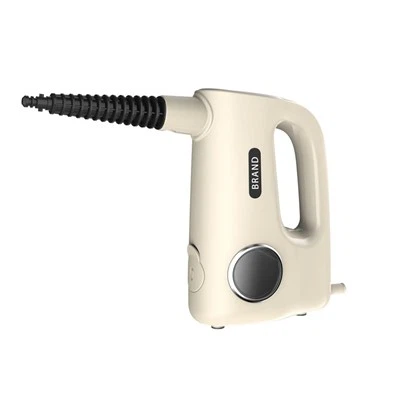
If you’re someone who’s been thinking about converting their old corded vac, my advice is this: Skip the DIY fire hazard, don’t waste the money on parts that won’t work, and instead, get in touch with us. We can help you figure out if converting makes sense for your specific vac, or if it’s better to upgrade to a new cordless model. Whether you need a quote, want to ask about our repair services for your old corded vac, or just have questions about cordless vs. corded, we’re here to help. No pushy sales stuff, just honest advice from a team that’s been in the vac game for years.
Carpet and Upholstery Steam Cleaner References:
- Consumer Reports, “Vacuum Cleaner Buying Guide: Corded vs. Cordless”
- U.S. Department of Energy, “Battery Basics for Portable Appliances”
- International Electrotechnical Commission, “Safety Standard for Vacuum Cleaners (IEC 60335-2-2)”
- Vacuum Industry Association, “2023 Market Trends for Cordless and Corded Vacuum Cleaners”
Ningbo MLE Electrical Appliance Co., Ltd.
Address: 921 Room, Jinsejiangnan Building, Zhonghe Street, Yinzhou District, Ningbo, Zhejiang, China.
E-mail: Eileen@nbmle.cn
WebSite: https://www.cleaningappliance.com/
