Hey there, my name’s Mia, and I’ve been supplying high-quality flannel blankets to homes and businesses across North America for over a decade. I get asked this question all the time—either from customers who want to make their own cozy throw for a weekend project, or from small boutique owners who want to source wholesale flannel from a reliable partner like my team. Today, I’m pulling back the curtain on how our in-house team crafts the flannel blankets we send out, breaking down the process step by step so you can understand why our blankets feel so soft, and even give homemade flannel a go if that’s more your speed. But fair warning: the commercial version we make for wholesale clients is refined to meet strict durability and consistency standards, while the DIY version is perfect for personal use. Let’s dive in. Flannel Blanket
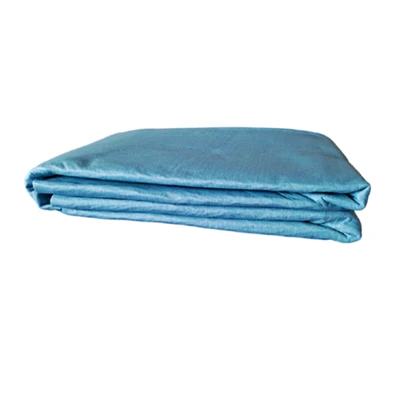
First, let’s get one thing straight: flannel isn’t just “fleece” or “thick cotton”—it’s a fabric with a specific napped surface that’s key to its cozy, warm feel. For our wholesale blankets, we start with a base fabric that’s either 100% cotton (for our premium line) or a cotton-poly blend (for our budget-friendly, pill-resistant options) because both hold up to frequent washing and have that natural, breathable warmth people love. If you’re making a homemade flannel blanket, you’ll want to pick a pre-napped flannel fabric from a craft store, or even a deadstock cotton flannel from a fabric outlet to keep costs low.
Step 1: Prepping Materials (The Most Overlooked Part)
For commercial production, this is where we set ourselves apart from low-quality manufacturers. We don’t skip pre-washing the fabric—we run the entire bolt through a commercial washer at low heat and a mild, fragrance-free detergent to pre-shrink it before we cut anything. Why? Cotton shrinks about 5-8% after the first wash, and if you don’t pre-shrink it, your finished blanket will end up smaller than intended the first time someone uses it. For our blend fabric, we add a small amount of polyester to cut down on pilling, which is a huge complaint with cheap homemade flannel blankets that use 100% cotton. For DIYers, pre-washing your fabric is non-negotiable too—skip this step and you’ll be pulling a too-small blanket out of the dryer next time. I once had a customer tell me her handmade flannel blanket shrunk so much it only fit a cat, and when I asked, she admitted she skipped pre-washing. Don’t be that person.
Next, we grade the fabric for flaws. Even the best cotton has tiny knots, thin spots, or color inconsistencies, and cutting those out early saves us from wasting fabric later. For a 50×60 inch throw blanket, we’ll match two 25×60 inch panels (or a single 50×60 inch panel for a no-sew option) that are flaw-free. If you’re making a homemade blanket, laying both panels next to each other and holding them up to a window will help you spot any thin spots that need to be trimmed.
Step 2: Napping the Fabric (The Secret to Flannel’s Cozy Feel)
This is the step where commercial flannel gets its signature softness, and it’s something many DIY tutorials gloss over. Napping is the process of brushing tiny fibers to create that fuzzy, warm surface without making the fabric feel rough. For our premium cotton flannel, we use a mechanical napper with fine, stainless steel brushes that lift individual fibers from the fabric’s surface, running the fabric through twice—once on each side—for even coverage. We don’t over-nap, though: too much brushing makes fibers loose and causes pilling after a few washes. The right amount creates a light, fluffy nap that traps air, keeping you warm without overheating. For our blend line, we adjust the brush tension slightly to avoid stretching the polyester fibers, which can cause the fabric to lose its shape over time.
If you’re making a homemade flannel blanket, you can get the same effect at home with a wire clothes brush or a lint roller, but use gentle, back-and-forth strokes instead of harsh scrubbing. Run the brush over the entire surface of both fabric panels, and you’ll feel that fuzzy warmth kick in. I’ve tested this with DIYers in our craft workshops, and it makes a world of difference compared to using un-napped cotton.
Step 3: Cutting and Stitching (Durability is Everything)
For commercial production, we use a computerized cutting machine to ensure straight, even edges—this eliminates human error and makes every blanket consistent. For a standard 50×60 inch throw, we cut both panels to within an eighth of an inch of the finished size, leaving extra room for stitching. Our stitching process is where we really focus on longevity: we use a heavy-duty cotton thread for premium lines and a polyester blend thread for our budget line, and we stitch a ¼ inch seam around the entire perimeter, then add a second locking stitch at the corners to prevent fraying. For customers who want a no-fuss option, we also offer our wholesale blankets with a serged edge (overlocked) that trims the seam and prevents unraveling, perfect for busy households or hotels that need durable linens.
When I talk to boutique buyers, they always ask about pilling, and that’s why our stitching and thread choices matter so much. We also add a small amount of anti-pilling finish to our cotton line during the final rinse, which reduces loose fibers from sticking together and forming those annoying little balls. For DIYers, if you want to avoid pilling, use a polyester thread instead of cotton, and stitch a tight, even seam—skip the cheap all-purpose thread from the dollar store, it’ll fray within a few washes.
Step 4: Finishing and Quality Checks (No Blanket Leaves Our Warehouse Without This)
Before we package any flannel blanket for wholesale, we run it through a final wash with a gentle fabric softener (free of dyes and fragrances, per customer request) to remove any loose fibers from the napping and stitching process. Then, we dry it on low heat to fluff up the nap, and do a thorough visual and tactile check for flaws: loose threads, uneven stitching, thin spots, or off-color fabric. We also test the shrinkage rate by measuring a random sample before and after a standard wash—our premium line shrinks less than 3%, which is well below the industry average.
For DIYers, this final step is optional, but it’s a good idea to fluff your finished blanket in the dryer on low for 10 minutes to make sure the nap is fluffy. I always tell people to wash their homemade flannel blanket once before using it to remove any leftover dust from the fabric store, too.
Now, let’s talk about the difference between what we make for wholesale clients and what you can make at home. Our commercial flannel blankets are tested to withstand 50+ washes without losing their softness or shape, which is why cafes, hotels, and retail boutiques source from us. We offer custom sizes, colors, and even print designs for clients who want to put their brand on the blankets. Our team works with small businesses and large chains alike, and we provide bulk pricing and fast turnaround times for new orders.
If you’re thinking about making a DIY flannel blanket for personal use, don’t get intimidated. Pick a high-quality flannel fabric from a reputable craft store, pre-wash it, nap it gently, stitch a tight seam, and you’ll have a cozy blanket that lasts for years. But if you need flannel blankets for your business, or you want to source premium bulk flannel, our team is here to help. We have a wide range of colors and styles, from solid neutral tones to fun seasonal prints, and we can work with you to create custom blankets that fit your brand’s needs.
I’ve been in this business for over a decade, and the best part is seeing how our blankets make people feel—whether it’s a hotel guest wrapping up after a long day, a boutique customer buying a cozy throw for their couch, or a small business owner who partnered with us to grow their inventory. If you’re a retail buyer, a hotel manager, or a small business owner looking for reliable, high-quality flannel blankets to source, get in touch with our team to discuss your needs. We can send you samples, share our pricing details, and walk you through our wholesale ordering process.
Before I wrap up, a quick note for DIYers: don’t be discouraged if your first homemade flannel blanket isn’t perfect. I made my first one in college using cheap fabric and skipping the pre-wash step, and it shrunk so much I used it as a dog bed. That mistake taught me everything I know about the process, and now I pass that lesson on to everyone I talk to. The key is taking your time with each step, especially the pre-washing and napping parts, and investing in good materials.

Whether you’re a home crafter looking for a weekend project or a business owner ready to source reliable flannel blankets, I hope this breakdown gave you a clear picture of what goes into making a quality flannel blanket. At the end of the day, it’s about balancing softness, durability, and value—something our team has mastered over years of refining our process. Reach out to our contact team to start a conversation about your flannel blanket needs.
Summer Blanket References
- Textile Institute. (2018). Flannel Fabric: Composition, Production, and Performance. Journal of Textile Science and Technology, 4(2), 45-52.
- American Association of Textile Chemists and Colorists. (2020). Test Method for Shrinkage of Cotton and Cotton-Blend Fabrics. AATCC Standard Test Method 135.
- European Flax and Linen Association. (2019). Best Practices for Napping and Finishing Flannel Fabrics. Technical Report EF-LA-2019-007.
- Cotton Council International. (2021). Performance Metrics for Household Flannel Textiles. Market Research Report MR-21-003.
Shaoxing Songqiao Textile Co., Ltd.
We are one of the most experienced flannel blanket manufacturers and suppliers in China, specialized in providing high quality products and service for global clients. Please feel free to wholesale customized flannel blanket at competitive price from our factory.
Address: No.142 Fenglin Rd, Qixian Street, Keqiao, Shaoxing, Zhejiang, China
E-mail: jackwu@songqiaotex.com
WebSite: https://www.sq-blanket.com/
