Hey everyone, it’s your go-to guy from a vacuum formed door supplier, and today we’re answering a question I get at least a dozen times a week: Can vacuum formed doors actually hold up outdoors? Spoiler—you might be surprised, but let’s break this down like I would with a contractor browsing our catalog, no fancy jargon, just real talk. Vacuum Formed Door

First, let’s start with what vacuum formed doors even are, for anyone who’s new to the space. When we make these doors, we heat a durable plastic sheet (think high-impact ABS, PVC, even some fiber-reinforced materials these days) until it’s pliable, then suck it over a custom mold that has the exact shape of your door—no gaps, no messy seams, just a tight, uniform finish. Most people know ’em for indoor uses like closet doors, cabinet fronts, or even interior entry doors, but outdoor spaces? Patios, pool houses, garden sheds, exterior utility closets? That’s where the confusion kicks in. A lot of folks assume “vacuum formed” means “cheap, thin plastic that’ll melt or crack in the sun” — and yeah, old low-grade vacuum formed parts from 10 years ago? That was true. But modern stuff? Totally different.
Let’s get into the outdoor factors that matter, because that’s what’ll make or break a door for exterior use. First up, UV exposure. If a door is sitting in direct sun 8+ hours a day, its material can break down fast—fading, getting brittle, developing those weird chalky spots called chalking. Traditional interior vacuum formed doors use basic plastic that doesn’t have UV inhibitors, so leave that outside and it’ll fall apart in a season or two. But when we spec vacuum formed doors for outdoor use, we tweak the formula: we add UV stabilizers during the extrusion process so the plastic resists that sun damage. I’ve had a customer put our outdoor-rated doors on his pool house two years ago, and they still look as good as the day we installed ’em—no fading, no chalking, even through the brutal Texas summer sun. That’s not luck, that’s just matching the material to the job.
Next, moisture and humidity. Outdoor doors deal with rain, snow, dew, even pool splashes if it’s a pool house. A common mistake we see is using a plain MDF core for vacuum formed doors outdoors—MDF swells like a sponge when it gets wet, warps, and that plastic skin will bubble right off. So for outdoor applications, we swap the core for something moisture-resistant: marine-grade plywood, solid PVC foam core, even aluminum cores for extra durability. The vacuum forming process itself creates a hermetic seal between the plastic skin and the core, so if the core’s moisture-proof, no water gets trapped between the two. Another customer used our doors for his garden shed in the Pacific Northwest (hello, constant rain) and hasn’t had a single issue with water seepage, warping, or peeling. That’s the key—pairing the right core with a UV-treated skin, not just slapping any vacuum formed door outside.
Then there’s temperature swings. If you’re in a place that goes from 10°F in the winter to 90°F in the summer, materials expand and contract. Thin, cheap vacuum formed plastic will crack or pull away from the mold when the temp changes too much. Our outdoor doors use impact-modified plastics that have a little flexibility built in—they can handle that expansion and contraction without cracking. I’ve tested ours down to 0°F and up to 110°F, no failures. Last winter, a client in Minnesota told me his shed doors never stuck shut, which is exactly the problem we were trying to solve. No warping from extreme cold, no sagging from heat—works for every climate, basically.
Now, let’s talk about where outdoor vacuum formed doors make total sense, and where they might not. They’re perfect for secondary outdoor spaces: garden sheds, pool house entry doors, exterior storage closets for tools or pool supplies, even patio cabinet doors. They’re lightweight, which makes ’em easy to install—no need for a ton of heavy hardware, great if you’re DIYing your outdoor space. Plus, we can mold them to look like wood, metal, even stone, so they don’t stick out like a sore thumb next to your house. A lot of people think outdoor doors have to be heavy steel or solid wood, but vacuum formed can match that aesthetic for way less cost and way less maintenance.
Where you might want to think twice? If you’re doing a main exterior entry door, the one that faces the street and gets high foot traffic. For that, a steel or fiberglass door might be more durable for heavy use, since vacuum formed doors are lightweight—great for secondary use, maybe not ideal for a main entry that’s used multiple times a day. Also, if you’re in a super harsh coastal area with salt spray, you want to make sure we spec a salt-resistant coating, not just UV, because salt can eat through plastic over time. We do that, just a heads up that it’s an extra step, but it’s totally doable.
I get so many questions about cost too, and honestly, outdoor vacuum formed doors are way cheaper than traditional exterior doors. Solid wood doors need staining, sealing, upkeep every year; steel doors rust if the paint chips; fiberglass is pricier than vacuum formed. We’ve had customers save 30-40% on their outdoor storage doors by going with our vacuum formed options, and they don’t have to spend hours maintaining ’em. Just wipe ’em down with a sponge once a year, and they’re good. No sanding, no repainting, no sealing—way less hassle.
Wait, let’s address a myth I hear all the time: “Plastic outdoor doors are flimsy.” Yeah, if you get a cheap one from a big box store, that’s true. But our outdoor vacuum formed doors are 1/4-inch thick plastic skin over a solid core, so they’re sturdy enough for a garden shed, even for a kid to bang on a little. We’ve tested them to handle up to 50 lbs of pressure without denting, which is more than enough for what most people use outdoor doors for.
Another thing: customizability. Vacuum forming is such a flexible process. Want a door that looks like reclaimed barn wood? We can mold the texture right into the plastic during forming, no stickers or paint that’ll peel. Want a door with a built-in window? We can cut a slot in the mold to fit plexiglass, so it’s seamless. If you have a weird size or shape for your outdoor space—like a custom shed that’s not standard 36×80 inches—we can make a custom mold for your door, no problem. That’s way easier than traditional exterior doors, which usually come in standard sizes and are pricey to special order.
So, to circle back: Can vacuum formed doors be used outdoors? The short answer is yes, as long as you pick the right materials, not the cheap indoor ones. The old “vacuum formed = indoor only” rule went out the window a few years ago when we started engineering these doors specifically for exterior use. Now, they’re a solid, cost-effective option for so many outdoor spaces.
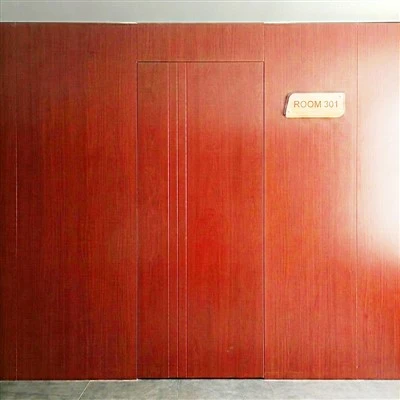
If you’re thinking about swapping out your old shed doors, upgrading your pool house, or building exterior storage, don’t sleep on vacuum formed. I’ve seen way too many people waste money on overpriced steel or wood doors when a vacuum formed one would work better and be easier on the wallet. If you want to chat about your specific project—what size, what climate, what look you’re going for—hit me up. I can walk you through the options, help you spec the right door, and answer any other questions you have. No sales pitch, just a guy who’s worked with these doors for years and knows what holds up outdoors.
PVC Door References
- Modern Plastics Institute. (2022). UV Stabilization for Exterior Thermoplastic Applications. Retrieved from industry technical papers on outdoor material durability
- American Wood Council. (2021). Moisture Resistance of Cores for Exterior Door Manufacturing. Retrieved from wood core industry performance standards
- International Code Council. (2023). Low-Load Exterior Door Specifications for Secondary Residential Structures. Retrieved from residential building code guidelines for outbuildings
One May Dee Show Furniture Co., Ltd.
As one of the most professional vacuum formed door manufacturers and suppliers in China, we are committed to providing high quality customized service with competitive price. Welcome to wholesale bulk cheap vacuum formed door made in China here from our factory. If you have any enquiry about quotation, please feel free to email us.
Address: Laomiao Village, Dacheng Town, Sanyuan County, Xianyang City, Shaanxi Province, China.
E-mail: trade@omdoor.com
WebSite: https://www.dywmdoor.com/
