Yo, what’s up everyone! I’m a supplier of liquid cooling pipes, and today I wanna chat about what materials these pipes are usually made of. It’s a topic that’s super important for anyone looking to get into the liquid cooling game, whether you’re building a high – end PC or working on some industrial cooling system. Liquid Cooling Pipe

Let’s start with copper. Copper is hands – down one of the most popular materials for liquid cooling pipes. Why? Well, it’s got some amazing thermal conductivity. That means it can transfer heat really efficiently from the hot components to the coolant flowing inside the pipes. When you’re dealing with high – performance CPUs or GPUs that generate a ton of heat, copper pipes can keep things cool.
Copper is also relatively easy to work with. You can bend it into different shapes without too much hassle, which is great for custom – built cooling systems. It’s durable too. It can withstand a fair amount of pressure and won’t corrode easily, especially if it’s properly treated. But copper does have its downsides. It’s a bit on the expensive side compared to some other materials. And if it’s exposed to certain chemicals or in a very humid environment, it might start to develop a patina over time.
Next up is aluminum. Aluminum is another common choice for liquid cooling pipes. It’s lightweight, which is a huge plus, especially in applications where weight matters, like in laptops or portable cooling devices. It’s also pretty good at conducting heat, although not as good as copper. The good thing about aluminum is that it’s more affordable than copper. You can get a larger quantity of aluminum pipes for a lower cost, which is great for mass – produced cooling systems.
However, aluminum is a bit more reactive than copper. It can corrode if it comes into contact with certain substances, so it often needs to be coated or anodized to protect it. Anodizing is a process that creates a protective layer on the surface of the aluminum, making it more resistant to corrosion and wear.
Stainless steel is also used for liquid cooling pipes. Stainless steel is known for its strength and corrosion resistance. It can handle high pressures and is very durable. This makes it a great choice for industrial applications where the cooling system needs to be reliable over a long period.
But stainless steel has a lower thermal conductivity compared to copper and aluminum. That means it’s not as efficient at transferring heat. So, if you’re looking for a material that can quickly dissipate heat, stainless steel might not be your first choice. However, in situations where durability and corrosion resistance are more important than pure heat transfer, it’s a solid option.
Plastic is another material that’s starting to gain popularity in the liquid cooling world. There are different types of plastics used, like PVC (polyvinyl chloride) and PTFE (polytetrafluoroethylene). Plastic pipes are cheap and easy to produce. They’re also very flexible, which makes them great for creating custom – shaped cooling loops.
PVC is a common plastic used for liquid cooling pipes. It’s relatively strong and can handle a certain amount of pressure. But it’s not the best at conducting heat. PTFE, on the other hand, is known for its chemical resistance. It can withstand a wide range of chemicals and is often used in applications where the coolant might be corrosive.
Now, let’s talk about the choice of material based on different applications. If you’re building a high – end gaming PC, copper is probably your best bet. The high thermal conductivity of copper will help keep your CPU and GPU running at optimal temperatures, which is crucial for getting the best performance out of your system.
For a more budget – friendly option, especially if you’re building a basic home PC, aluminum pipes can do the job. They’ll still keep your components cool enough, and you won’t break the bank.
In industrial settings, stainless steel is often the go – to material. The durability and corrosion resistance are essential when you’re dealing with large – scale cooling systems that need to run 24/7.
If you’re looking for a flexible and cost – effective solution, plastic pipes are a great option. They’re perfect for DIY projects or small – scale cooling systems where heat transfer isn’t the top priority.
As a liquid cooling pipe supplier, I’ve seen the different needs of customers. Some are looking for the best heat transfer, while others are more concerned about cost or durability. That’s why I offer a variety of materials to meet those different requirements.
Whether you’re an individual looking to build your own PC or a company in need of industrial cooling solutions, I’ve got the right liquid cooling pipes for you. If you’re interested in learning more about our products or want to discuss a specific project, don’t hesitate to reach out. We can have a chat about what material would work best for your needs and get you the right pipes at a great price.
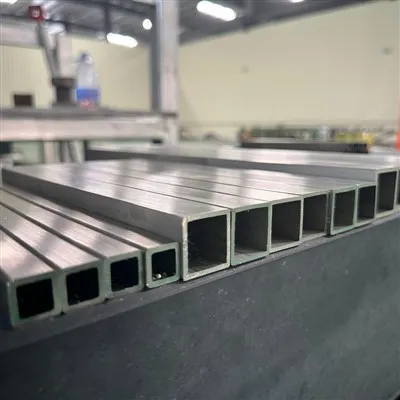
In conclusion, the choice of material for liquid cooling pipes depends on a variety of factors, including heat transfer requirements, cost, durability, and flexibility. Each material has its own pros and cons, and it’s important to choose the one that suits your specific application. So, if you’re in the market for liquid cooling pipes, give us a shout, and let’s work together to find the perfect solution for you.
High-frequency Welded Fin Stainless Steel Tube References:
- "Thermal Properties of Metals and Alloys" – A handbook on the thermal characteristics of common metals used in cooling applications.
- "Plastics in Engineering" – A publication that details the properties and uses of different plastics in various engineering fields.
- Industry reports on liquid cooling system materials and trends.
China Super Tech Co., Ltd.
As one of the most professional liquid cooling pipe manufacturers and suppliers in China, we’re featured by quality products and good service. Please rest assured to wholesale OEM liquid cooling pipe from our factory. Also, custom service is available.
Address: Wangjing Science and Technology Park, Guangshun North Street, Chaoyang District, Beijing
E-mail: sales@316liquidcooling.com
WebSite: https://www.316liquidcooling.com/
